
IT Infrastructure for Financial Firms in Coral Gables
September 24, 2026
IT Infrastructure for Financial Firms in Coral Gables: What You Need to Know
Coral Gables has quietly become one of South Florida's most competitive financial hubs. The City Beautiful is home to a dense concentration of wealth management firms, private equity groups, insurance companies, credit unions, and regional banking operations. And in 2026, what separates a well-run financial firm from a struggling one often comes down to something most executives overlook until something breaks: IT infrastructure. The systems that power daily operations, protect sensitive client data, ensure regulatory compliance, and keep teams connected are not just a back-office concern. They are, frankly, the backbone of the entire business. This article walks through what IT infrastructure actually means for financial services companies in Coral Gables, how it works, and how a well-designed setup can be a genuine competitive advantage.
What Is IT Infrastructure for Financial Services?
IT infrastructure refers to the combined set of hardware, software, networking components, data management systems, and support services that a business relies on to function. For financial firms specifically, this takes on a more complex shape. You are dealing with high-volume transaction processing, regulatory obligations under frameworks like SEC, FINRA, GLBA, and sometimes PCI-DSS, strict data retention requirements, and an expectation from clients that their sensitive financial information is protected at all times. In Coral Gables, where many firms operate regionally but serve clients nationally or globally, the infrastructure must also support geographic flexibility, remote workforce connectivity, and scalable performance as the business grows. Think of it as the nervous system of your operation: when it works well, nobody notices. When something goes wrong, everyone feels it immediately.
Core Components of Financial IT Infrastructure in Coral Gables
A fully realized IT infrastructure for a Coral Gables financial firm typically involves several interconnected layers working together. Understanding what each layer does helps decision-makers invest more strategically and avoid the trap of patching problems reactively.
Network and Connectivity
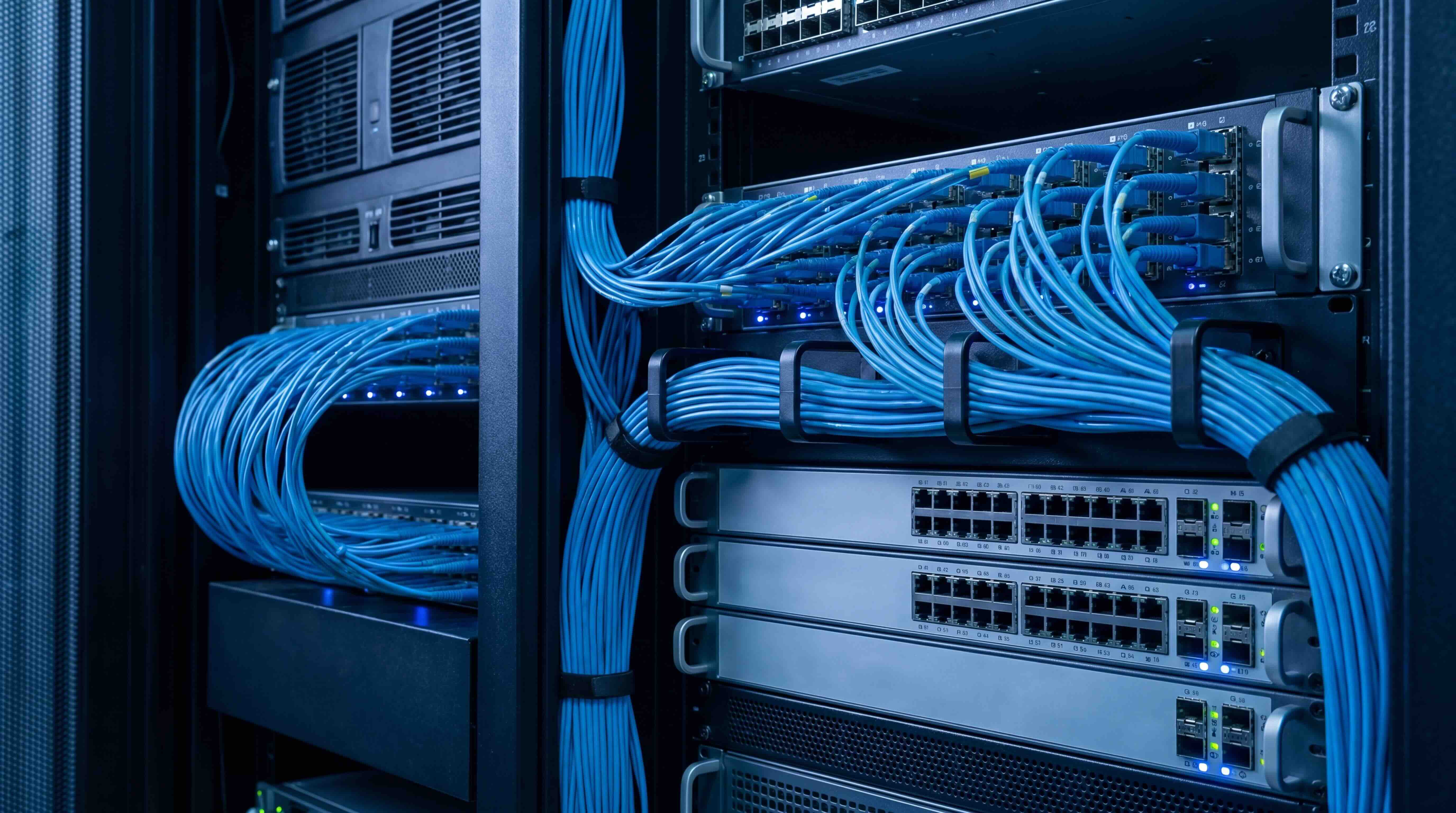
- The physical and virtual backbone that links all devices, users, and systems together. This includes firewalls, routers, switches, and SD-WAN solutions that enable secure and reliable communication across office locations and remote endpoints.
Servers and Cloud Infrastructure
- On-premises servers, private cloud environments, or hybrid architectures that host business-critical applications like portfolio management software, CRM platforms, and document management systems.
Endpoint Management
- Laptops, desktops, and mobile devices used by staff must be secured, monitored, and kept up to date. Endpoint detection and response (EDR) tools play a significant role here.
Data Storage and Backup
- Financial data must be retained accurately for specific periods depending on regulatory requirements. Redundant storage solutions and automated backup systems prevent data loss during outages or cyberattacks.
Cybersecurity Stack
- This includes next-generation firewalls, intrusion detection systems (IDS), multi-factor authentication (MFA), email security gateways, and security information and event management (SIEM) platforms. In financial services, this layer is non-negotiable.
Compliance and Audit Tools
- Software that tracks user activity, monitors for anomalies, and produces audit-ready logs simplifies the compliance reporting process significantly.
How IT Infrastructure Works Day-to-Day for Financial Firms
On any given morning at a Coral Gables wealth management office, advisors are pulling up client portfolios, executing trades, accessing cloud-based financial planning tools, and communicating with compliance officers. Behind all of that activity, the IT infrastructure is doing an enormous amount of work quietly in the background. Network traffic is being inspected in real time. Access controls are verifying user credentials before granting access to sensitive data. Backup jobs that ran overnight are being verified for integrity. Security alerts are being triaged by monitoring tools. None of this is visible to the end user, and that is exactly the point. When the infrastructure is designed and maintained correctly, the technology becomes invisible. The advisors just work. The infrastructure should support that seamlessly, not interrupt it.
Key Advantages of Investing in Strong IT Infrastructure
Financial firms in Coral Gables that prioritize IT infrastructure investment tend to see returns that extend well beyond just keeping the lights on. The advantages are concrete and measurable.
Regulatory Confidence
- A properly architected infrastructure makes compliance audits far less painful. When your systems are configured to log access, enforce data handling policies, and generate compliance reports automatically, you spend less time scrambling and more time serving clients.
Reduced Operational Risk
- Downtime in financial services is costly. A network outage during trading hours, a corrupted database, or a ransomware event can result in client losses, regulatory penalties, and reputational damage. Redundant, well-monitored infrastructure dramatically reduces those risks.
Scalability
- As Coral Gables financial firms expand, infrastructure that was designed with growth in mind scales without requiring a complete rebuild. Cloud-native and hybrid solutions offer particular flexibility here.
Enhanced Client Trust
- Clients in the financial sector are increasingly sophisticated about cybersecurity. Demonstrating that your firm operates with enterprise-grade security and data protection is a real differentiator in a competitive market.
Workforce Flexibility
- Post-2020 expectations around remote and hybrid work have not disappeared. Infrastructure that supports secure remote access allows firms to attract and retain top talent without geographic limitations.
Common Drawbacks and Challenges to Watch For
No infrastructure investment is without its complications, and financial firms in Coral Gables face some challenges that are specific to the region and the industry. South Florida's hurricane season is a legitimate operational concern, making disaster recovery planning and off-site data replication critically important. Additionally, the financial sector is a high-value target for cybercriminals, which means the threat landscape is consistently more sophisticated than in other industries. Firms that rely on aging hardware or software often discover that legacy systems create significant compatibility and security vulnerabilities. There is also a tendency in smaller financial firms to underestimate infrastructure complexity and attempt to manage it with a single generalist IT resource, which tends to result in reactive firefighting rather than strategic management. One other thing worth noting: the cost of doing nothing is typically higher than the cost of doing it right the first time.
IT Infrastructure and Regulatory Compliance in South Florida
For financial firms operating in Coral Gables, compliance is not optional, and the technology infrastructure has to support it. GLBA requires financial institutions to protect customer data with appropriate safeguards. SEC and FINRA have specific rules around electronic record retention, cybersecurity governance, and incident response planning. If the firm handles payment card data, PCI-DSS adds another layer. In 2026, regulators are paying closer attention to third-party risk management, which means that the vendors and MSPs a financial firm works with must also meet security standards. The right IT infrastructure does not just help a firm avoid penalties. It creates a documented, defensible posture that demonstrates due diligence to auditors and clients alike.
Cloud vs. On-Premises vs. Hybrid: What Works Best for Coral Gables Financial Firms?
This is a question that comes up constantly, and the honest answer is that it depends on the size of the firm, its existing systems, and its risk tolerance. Smaller wealth management boutiques in Coral Gables often benefit most from cloud-first approaches, leveraging platforms like Microsoft Azure or AWS GovCloud to reduce capital expenditure and shift to predictable operational expenses. Larger firms with proprietary systems, custom-built applications, or strict data sovereignty concerns often opt for hybrid environments that keep sensitive workloads on-premises while moving collaboration, communication, and secondary applications to the cloud. The key is having a technology partner that can evaluate the specific needs of the business rather than applying a one-size-fits-all template. Architecture decisions made today will define operational flexibility for the next five to ten years.
Practical Tips for Financial Firms Evaluating Their IT Infrastructure
If you are a decision-maker at a financial firm in Coral Gables reviewing your current technology environment, a few practical starting points can save significant time and resources. Start with a thorough IT infrastructure assessment that maps every device, system, and application currently in use. Identify single points of failure and systems that are running past their end-of-life dates. Review your current cybersecurity posture against a recognized framework like NIST or CIS Controls. Confirm that your backup and disaster recovery plan has been tested recently and that recovery time objectives actually align with how long your firm can tolerate an outage. Finally, evaluate whether your current IT support model is proactive or reactive. If the only time you hear from your IT team is when something breaks, that is a signal worth taking seriously.
Why Tech Group Is the Right IT Partner for Financial Firms in Coral Gables
Tech Group is a South Florida-based managed services provider with deep experience serving financial sector clients across the Miami metropolitan area, including Coral Gables. As a full-service technology partner, Tech Group goes well beyond break-fix support. Their approach is built around proactive infrastructure management, cybersecurity, and strategic IT alignment, which means they help financial firms build systems that grow with the business rather than slow it down. From deploying next-generation firewalls and intrusion detection systems to managing cloud migrations and compliance-ready configurations, Tech Group brings the expertise that financial firms need without the overhead of maintaining an enterprise IT department in-house. If your firm is ready to evaluate its current infrastructure or build out a more resilient technology environment, the right conversation starts with the right partner. Visit Tech Group's IT services for financial firms to learn more about how they support businesses like yours, or go ahead and book a free IT infrastructure consultation to get a clear picture of where your systems stand today.
Frequently Asked Questions About IT Infrastructure for Financial Firms in Coral Gables
What does IT infrastructure mean for a financial services company?
IT infrastructure for financial services refers to the complete set of hardware, software, networking systems, cloud environments, security tools, and support services that enable a financial firm to operate, protect client data, and meet regulatory requirements on a daily basis.
Why is IT infrastructure especially important for financial firms in Coral Gables?
Coral Gables hosts a high concentration of financial services businesses operating under strict regulatory frameworks. The competitive market, combined with compliance obligations and high cybersecurity risk, makes robust IT infrastructure a critical operational and strategic priority.
What compliance frameworks apply to financial firms in Coral Gables?
Depending on the type of financial firm, relevant frameworks may include GLBA, SEC regulations, FINRA rules, PCI-DSS for payment card handling, and potentially SOC 2 if the firm manages client data on behalf of other institutions. Each framework has specific technical and procedural requirements that IT infrastructure must support.
How often should a financial firm assess its IT infrastructure?
A formal IT infrastructure assessment should be conducted at minimum once per year. Additionally, assessments should be triggered by significant business changes such as mergers, office expansions, new regulatory requirements, or major software upgrades.
Is cloud infrastructure secure enough for financial services?
Yes, when properly configured and managed. Leading cloud platforms offer enterprise-grade security controls, encryption, and compliance certifications. The key is working with an experienced IT partner who understands how to configure cloud environments to meet financial industry standards rather than using default settings.
What is the difference between a managed services provider and a traditional IT support company?
A managed services provider offers proactive, ongoing management of a company's IT environment under a structured service agreement. Traditional IT support typically operates on a break-fix model, meaning they respond after something goes wrong. For financial firms, the proactive model is substantially more effective at reducing risk and downtime.
How does disaster recovery planning relate to IT infrastructure for financial firms?
Disaster recovery planning is a core component of financial IT infrastructure. It defines how a firm will restore operations following a disruption such as a ransomware attack, hardware failure, or natural disaster. In South Florida, hurricane preparedness is a specific consideration that should be built into every financial firm's disaster recovery strategy.
What are the signs that a financial firm's IT infrastructure needs an upgrade?
Common indicators include frequent system slowdowns, aging hardware running unsupported operating systems, a history of security incidents or near-misses, difficulty meeting compliance requirements, and an IT support model that spends most of its time reacting to problems rather than preventing them.
Can a small financial firm in Coral Gables afford enterprise-grade IT infrastructure?
Yes. Cloud-based solutions and managed services models allow smaller firms to access enterprise-level technology and security without the capital expense of building and maintaining it in-house. Monthly service agreements with a qualified MSP make costs predictable and scalable.
How does IT infrastructure affect client trust in the financial sector?
Clients increasingly evaluate the security posture of their financial advisors and institutions. Firms that can demonstrate documented cybersecurity practices, secure data handling, and resilient systems are better positioned to retain clients and attract new ones in a market where data breaches are widely publicized.