
Retail Technology Solutions Miami FL | Tech Group
June 2, 2026
Retail Technology Solutions in Miami, FL: What Every Local Business Needs to Know
Miami's retail landscape moves fast. Between the foot traffic in Brickell, the boutique density in Wynwood, and the sprawling commercial corridors throughout Miami-Dade County, retail businesses here face a unique blend of opportunity and operational complexity. In 2026, the retailers that are winning are not just the ones with great products or prime locations — they are the ones running smart, well-integrated technology infrastructure behind the scenes. Retail technology solutions in Miami FL have become less of a competitive advantage and more of a baseline requirement. If your store, chain, or distribution-to-retail operation is still patching together outdated systems, this article is written specifically for you.
What Are Retail Technology Solutions and Why Do They Matter in Miami?
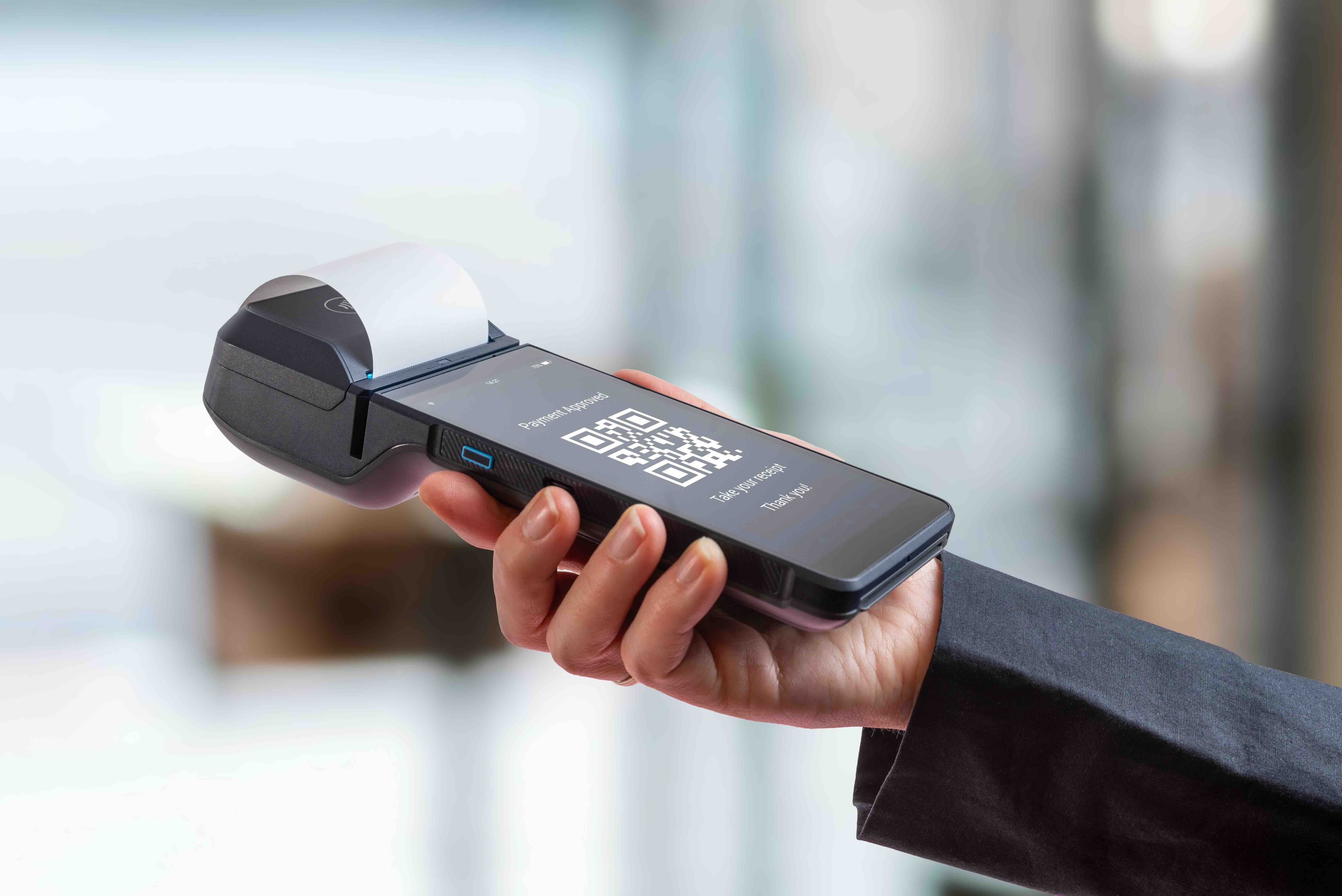
Retail technology solutions refer to the full ecosystem of hardware, software, networking, and managed services that power modern retail operations. This includes point-of-sale (POS) systems, inventory management platforms, customer relationship management (CRM) tools, cloud-based ERP integrations, digital signage infrastructure, loss prevention systems, and the IT backbone that holds all of it together. In a market like Miami — which serves both domestic consumers and a high volume of international clientele — the demand for reliable, scalable, and secure retail technology is significant. A payment processing failure during peak tourist season or a data breach affecting customer credit card information can cost a Miami retailer far more than just revenue. It can cost them trust, and in this city, reputation travels fast.
How Retail Technology Solutions Actually Work
Think of retail technology as a layered system. At the foundation, you have your network infrastructure — the routers, switches, access points, and cabling that allow every device in your store to communicate. On top of that sits your software environment, which includes your POS system, inventory tracking, loyalty programs, and analytics dashboards. Then you have your cloud layer, where data gets stored, synced across locations, and made accessible to decision-makers in real time. Managed Service Providers (MSPs) focused on retail technology typically handle the design, deployment, monitoring, and maintenance of all three layers. When one piece misfires — say, your POS terminals lose connectivity during a Saturday afternoon rush — a properly structured MSP relationship means someone is already working the problem before your cashier finishes flagging it. That kind of proactive support is the difference between a managed environment and a reactive one.
Key Components of a Modern Retail Tech Stack
Not every retail business needs the same setup, but there are several core components that most Miami retailers should have in place by 2026. Understanding what each one does helps you have better conversations with IT vendors and make smarter purchasing decisions.
- Cloud-connected POS systems that sync sales data across locations in real time
- Inventory management software with barcode or RFID scanning capabilities
- CRM platforms that capture and segment customer purchase behavior
- Network segmentation to separate customer-facing Wi-Fi from back-office systems
- Endpoint protection and antivirus management across all connected devices
- PCI-DSS compliance frameworks to protect cardholder data
- Remote monitoring and management (RMM) tools deployed by your MSP
- Data backup and disaster recovery solutions with defined recovery time objectives
Each of these components works in concert. Removing or neglecting one creates a gap — either in operational efficiency, security posture, or customer experience. A seasoned MSP will audit your existing stack and identify where those gaps are before they become expensive problems.
The Advantages of Investing in Retail Technology Solutions
The business case for modern retail technology is straightforward once you understand the compounding benefits. First, operational efficiency increases substantially when your systems are integrated. Real-time inventory data means fewer stockouts, fewer overorders, and better vendor negotiations. Second, customer experience improves when transactions are fast, loyalty programs are seamless, and staff have access to purchase history at the point of sale. Third, security compliance becomes manageable rather than stressful when your IT environment is designed with PCI-DSS and data privacy regulations baked in from the start. Miami retailers who work with an MSP that understands the retail vertical also gain access to strategic technology planning — meaning your infrastructure scales with your growth rather than becoming a bottleneck to it. And perhaps most underrated: when your technology runs reliably, your staff focuses on customers rather than workarounds.
Common Drawbacks and Challenges to Be Aware Of
Retail technology is not without its friction points. Implementation complexity is one of the most cited challenges — migrating from a legacy POS system to a cloud-connected platform, for example, requires careful planning, staff training, and a solid cutover strategy to avoid operational disruption. Upfront costs can also feel significant, particularly for small-to-mid-sized retailers who are balancing tight margins. Vendor lock-in is another real concern; some retail software platforms are designed to keep you dependent on proprietary hardware or subscription structures that become harder to exit over time. And then there is the integration challenge — getting your POS, e-commerce platform, accounting software, and CRM to actually talk to each other cleanly is rarely as plug-and-play as vendors advertise. These are exactly the kinds of problems a qualified MSP should help you navigate. If your technology partner cannot speak fluently to these challenges, that is useful information about their depth of experience.
What to Look for in a Retail-Focused MSP in Miami
Not all managed service providers are built for retail environments. When evaluating an MSP for your Miami retail operation, look for demonstrated experience with multi-site environments, PCI compliance management, and retail-specific software ecosystems. Ask about their response time guarantees, whether they offer after-hours support (retail does not stop at 5 PM), and how they handle vendor coordination when a software issue turns into a finger-pointing exercise between your POS provider and your internet service provider. The right MSP acts as a single point of accountability — they own the problem regardless of where it originated. In Miami's competitive retail environment, that accountability structure is not a luxury. It is a business continuity requirement.
Retail Cybersecurity: The Layer Most Retailers Underestimate
Retail businesses are a persistent target for cybercriminals, and Miami's high transaction volume makes local retailers particularly attractive. In 2026, the threat landscape includes point-of-sale malware, phishing campaigns targeting retail staff, ransomware attacks on inventory and ERP systems, and credential stuffing attacks against customer-facing loyalty portals. A comprehensive retail cybersecurity strategy includes next-generation firewall deployment, network segmentation between POS environments and general-use networks, endpoint detection and response (EDR) solutions, and continuous threat monitoring. PCI-DSS compliance is not optional for any business accepting card payments — it is a contractual and regulatory requirement. An MSP with a dedicated cybersecurity practice can help you build and maintain a compliance posture that satisfies both your payment processor requirements and your customers' reasonable expectations of data privacy.
Practical Tips for Getting Started with Retail Technology in Miami
If you are evaluating or upgrading your retail technology environment, a few practical steps will set you up for a smoother process. Start with a technology audit — document every device, software license, and network component currently in use. Identify which systems are end-of-life or approaching vendor support expiration. Prioritize PCI compliance and network security as non-negotiable foundations before layering in operational upgrades. Involve your store managers and front-line staff early in any platform evaluation, because they will surface usability issues that no vendor demo will ever reveal. Request references from any MSP you are considering — specifically from retail clients operating in similar environments to yours. And build realistic timelines; a well-executed retail technology deployment takes weeks, not days, when done properly.
Why Tech Group Is the Right Partner for Retail Technology Solutions in Miami
If you are a Miami-area retailer looking for a technology partner that actually understands your industry, Tech Group deserves a close look. Based in Hialeah and serving businesses throughout South Florida, Tech Group is a full-service IT Services and Managed Services Provider with dedicated expertise across cybersecurity, IT solutions, and ongoing IT support. Their work with retail clients is grounded in a real understanding of POS infrastructure, inventory systems, PCI compliance, and the kind of multi-location networking challenges that Miami retailers deal with daily. What separates Tech Group from a generic break-fix shop is their commitment to proactive, strategic technology management — aligning your infrastructure with your actual business goals rather than just keeping the lights on. Whether you need a comprehensive technology audit, a cybersecurity overhaul, or a fully managed IT environment, they bring the depth and the local presence to deliver. Learn more about what they offer by visiting Tech Group's IT and managed services for retail businesses, or take the first step by scheduling a free retail technology consultation with Tech Group to discuss what your specific environment needs.
Frequently Asked Questions About Retail Technology Solutions in Miami FL
What are retail technology solutions?
Retail technology solutions encompass the hardware, software, networking, and managed IT services that support retail operations — including POS systems, inventory management, CRM platforms, cybersecurity tools, and cloud infrastructure designed to keep retail businesses running efficiently and securely.
Why do Miami retailers need specialized IT support?
Miami's retail environment involves high transaction volumes, multilingual customer bases, tourism-driven seasonality, and multi-location operations — all of which create specific IT demands that generalist support providers are not always equipped to handle. Specialized retail IT support addresses those nuances directly.
What is PCI-DSS and do I need it as a retailer?
PCI-DSS stands for Payment Card Industry Data Security Standard. Any business that accepts, processes, stores, or transmits credit card information is required to comply with PCI-DSS. Non-compliance can result in fines, increased transaction fees, and loss of card processing privileges.
How does a managed service provider help with retail technology?
An MSP manages, monitors, and maintains your entire IT environment on an ongoing basis. For retailers, this means proactive network monitoring, POS system support, cybersecurity management, compliance oversight, and a single point of contact when technology issues arise.
What is the difference between a break-fix IT provider and an MSP?
A break-fix provider responds to problems after they occur and charges per incident. An MSP operates proactively, monitoring your systems continuously to prevent issues before they cause downtime or data loss. For retail businesses, proactive support typically results in lower total cost of ownership and fewer operational disruptions.
How much does retail technology infrastructure typically cost?
Costs vary significantly based on store size, number of locations, existing infrastructure, and the specific services required. A qualified MSP will conduct an assessment of your current environment before providing a customized proposal rather than quoting generic package pricing.
What cybersecurity threats do Miami retailers face in 2026?
Common threats include POS malware, ransomware targeting inventory and ERP systems, phishing attacks on staff credentials, and data breaches affecting customer payment information. A layered cybersecurity strategy that includes network segmentation, endpoint protection, and continuous threat monitoring is the appropriate response.
Can retail technology solutions support multiple store locations?
Yes. Modern retail IT infrastructure is specifically designed to support multi-site environments, enabling centralized management of inventory, sales data, network security, and employee access controls across all locations from a single administrative platform.
How long does it take to implement retail technology solutions?
A thorough implementation — including assessment, planning, deployment, and staff training — typically ranges from several weeks to a few months depending on the scope of the project. Rushing the process increases the risk of data migration errors and operational disruption.
How do I find a reliable retail IT provider in Miami, FL?
Look for an MSP with documented retail industry experience, verifiable client references, clear service level agreements, and demonstrated expertise in PCI compliance and retail-specific software ecosystems. Local providers with South Florida presence can also offer faster on-site response when needed.